Concrete removal is considered when a driveway, walkway, pad, patio or slab can no longer be repaired practically or when the property needs a different layout, elevation or drainage plan.
The visible breaking stage is only one part of the work. A complete scope may also involve controlled cutting, protection of nearby surfaces, equipment access, loading, hauling, disposal, excavation, base correction and preparation for new concrete.
The Canadian Yard reviews concrete removal as part of concrete cutting, driveway replacement and residential flatwork projects in Saskatoon and nearby communities.
Removal May Fit
Widespread cracking, settlement, broken sections, drainage problems or a planned replacement layout.
Quote Factors
Area, thickness, reinforcement, access, cutting, protection, hauling, disposal and replacement preparation.
Best First Message
Send wide and close photos, rough dimensions, location, access details and the intended next stage.
1. When Does Concrete Need to Be Removed?
Not every crack requires demolition. A focused repair may still be reasonable when damage is isolated and the surrounding concrete and supporting base remain suitable.
Removal is more likely to be reviewed when:
- Several sections have settled, lifted or broken
- Cracks continue across multiple panels
- Surface deterioration is widespread
- Drainage repeatedly creates ponding or ice
- The slab elevation or shape needs to change
- Previous repairs no longer provide a practical solution
- A new driveway, walkway, pad or outdoor layout is planned
When settlement or drainage contributed to the failure, the replacement plan should also review the soil, base, grade and water movement.
2. How the Concrete Removal Process Is Planned
The exact method depends on the slab, location, access and what must remain protected. A typical residential project includes the following high-level stages:
Inspect the Area
Review the slab condition, dimensions, thickness, access, nearby structures, drainage and replacement plan.
Define the Boundary
Confirm whether the entire slab or only a controlled section will be removed and where clean edges are required.
Separate & Remove
Complete approved cutting and breaking, then move the concrete into manageable loads while protecting nearby areas.
Haul & Prepare
Remove the debris and complete the approved excavation, grading or base preparation for the next project stage.
3. Concrete Cutting, Breaking and Hauling Are Different Stages
These terms are often grouped together, but each stage serves a different purpose.
Controlled Cutting
Creates the planned boundary or separates a section beside concrete, structures or finishes that will remain.
Breaking & Removal
Reduces the separated slab into manageable pieces and removes them from the work area.
Hauling & Disposal
Includes loading, transportation and delivery to an appropriate receiving location.
Replacement Preparation
May include excavation, grading, base material, compaction, drainage planning, forms and reinforcement.
Read the concrete cutting guide for more information about controlled repair and removal boundaries.
4. What Affects Concrete Removal Cost in Saskatoon?
Removal cost cannot be determined from visible square footage alone. Thickness, reinforcement and access can significantly change the equipment, labour and hauling required.
Concrete Details
- Total area and slab thickness
- Rebar, wire mesh or embedded materials
- Number of separate removal sections
- Condition and existing cracks
- Cutting and edge requirements
Site and Scope Details
- Equipment and truck access
- Protection of buildings, landscaping and remaining slabs
- Loading, hauling and receiving fees
- Excavation below the existing concrete
- Base correction and replacement work
A quote should clearly identify whether it includes cutting, breaking, hauling, disposal, excavation, cleanup and preparation for new concrete.
5. Repair, Partial Removal or Full Replacement?
The right scope depends on how far the damage extends and whether the surrounding slab and base remain suitable.
Repair May Fit When
- Damage is minor and stable
- The slab remains reasonably level
- The base appears sound
- Drainage is not causing continuing movement
Partial Removal May Fit When
- One defined section has failed
- A clean replacement boundary can be created
- Nearby concrete remains suitable
- The local base issue can be corrected
Full Removal May Fit When
- Cracking or settlement is widespread
- Several sections have failed
- The driveway elevation or layout must change
- The base and drainage need broader correction
Review the Complete Property Connection
The repair or replacement should connect sensibly to the garage, sidewalk, curb, house, yard grade and nearby slabs.
6. What Happens After the Old Concrete Is Removed?
New concrete is not normally placed simply because the old slab is gone. The exposed area must be reviewed to determine whether the supporting material, grade and drainage are suitable.
Replacement preparation may include:
- Removing weak, organic or unsuitable material
- Correcting the excavation depth
- Adding suitable granular base material
- Compacting and grading the base
- Planning water movement and connected elevations
- Installing forms and reinforcement
- Preparing for the approved concrete thickness and finish
For a full replacement overview, read the concrete driveway guide .
7. What to Send for an Accurate Removal Estimate
- Property location and preferred timeline
- Wide photos showing the full slab and surrounding area
- Close photos of cracks, settlement and edges
- Approximate length and width
- Type of area: driveway, walkway, pad, patio or interior slab
- Known thickness or reinforcement information
- Equipment and truck access details
- Nearby walls, fences, landscaping or concrete to protect
- Whether replacement concrete should also be quoted
- Known drainage, plumbing or utility concerns
8. Common Concrete Removal Planning Mistakes
Quoting Removal Without the Next Stage
The final excavation depth and boundaries should support the intended replacement, drainage or renovation plan.
Ignoring Equipment Access
Narrow side yards, fences, steps and occupied spaces can change how concrete is broken, handled and hauled.
Removing Too Small an Area
A narrow repair may fail to address widespread settlement, cracking or base problems beyond the visible section.
Forgetting Protection and Cleanup
Nearby surfaces, landscaping, walls and access routes should be considered before demolition begins.
Related Saskatoon Removal and Replacement Project Photos
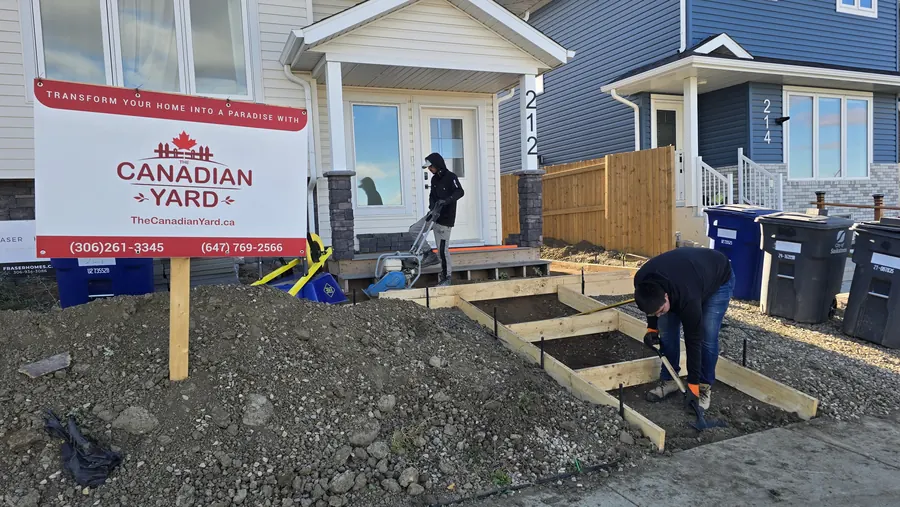
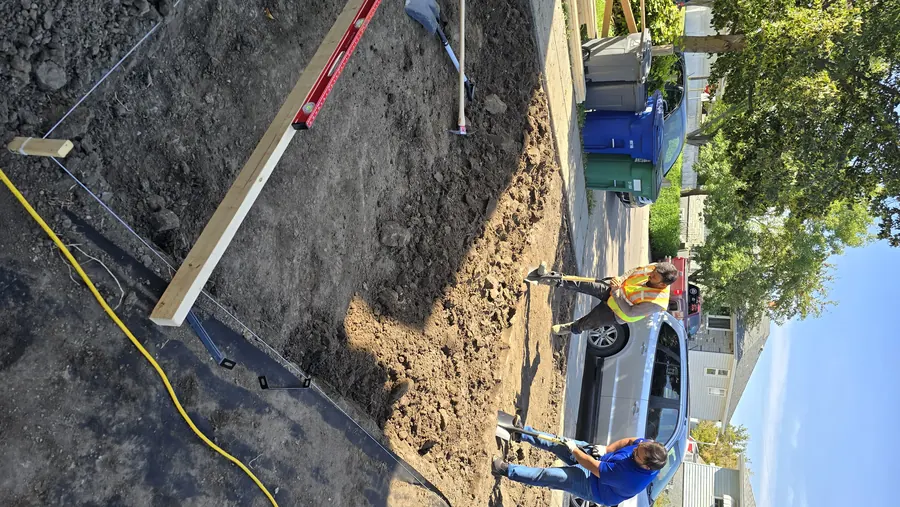
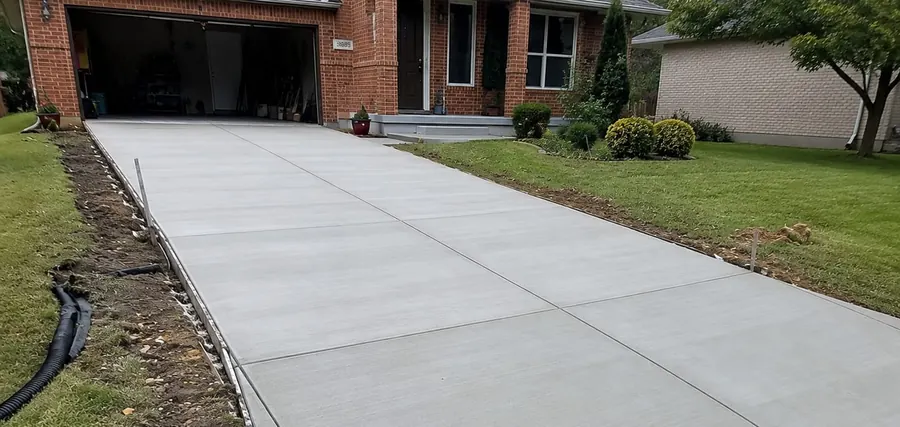
The current project archive includes excavation, site preparation, base grading and completed replacement concrete. These images show real stages around removal and replacement planning without presenting them as photographs of active demolition equipment.
View additional finished work on the recent concrete projects page and in the project gallery.
Concrete Removal FAQ
What affects concrete removal cost?
Area, thickness, reinforcement, cutting, access, protection, breaking, hauling, disposal and replacement preparation all affect the quote.
Is cutting always needed before removal?
No. It is often useful when only part of a slab is being removed or when a cleaner boundary is required beside concrete or structures that will remain.
Can only part of a driveway or walkway be removed?
Sometimes. Partial removal may be practical when damage is isolated and the surrounding concrete and base remain suitable.
Can new concrete be installed right after removal?
The exposed site should be reviewed first. Excavation, grading, base material, compaction, drainage, formwork and reinforcement may be required before placement.
How long does removal take?
The schedule depends on area, thickness, reinforcement, access, cutting, hauling and disposal. It should be confirmed after the full scope is reviewed.
What should I send for a quote?
Send the location, wide and close photos, approximate dimensions, the concrete type, access details, nearby surfaces and whether replacement should also be quoted.
Related Concrete Guides & Services
Need Concrete Removal in Saskatoon?
Send photos, rough dimensions, the property location, access information and a description of what should replace the existing concrete. The complete cutting, removal and preparation scope can then be reviewed.