A fence can look like one continuous structure, but its performance depends on several connected parts: posts, rails, boards or panels, fasteners, gate hardware and the soil supporting the fence line.
A leaning section or dragging gate may be caused by one failed component, or it may be a sign of wider movement or deterioration. The repair scope should address the cause and connect securely to the fence sections that remain.
The Canadian Yard provides fence installation and repair in Saskatoon and reviews wood and selected other fence projects in nearby communities.
Inspect the Posts First
A fence section or gate may not remain aligned when its supporting posts continue moving.
Repair Can Be Focused
Limited damage may require only selected posts, rails, boards, fasteners or gate components.
Compare Full Scope
Access, vegetation, material matching, disposal and finishing can affect the quote as much as the visible damage.
1. Common Signs a Fence Needs Attention
Leaning or Wavy Fence Line
One or more posts may have shifted, loosened or deteriorated, pulling connected rails and boards out of alignment.
Loose, Split or Missing Boards
Weather, impact, aging material and failed fasteners can leave openings and increase movement in the section.
Sagging or Dragging Gate
Gate-frame movement, hinge wear, latch alignment or a shifting support post can prevent the gate from operating properly.
Soft or Deteriorated Wood
Moisture exposure can affect boards, rails and post areas, especially near soil, vegetation and recurring runoff.
Loose Rails or Fasteners
Rails connect the fence boards to the posts. Loose connections can allow a section to twist or move in wind.
Repeated Repairs in One Area
Continuing movement or deterioration may mean the underlying post, support or drainage condition has not been corrected.
2. What Should Be Assessed Before Repair?
The most visible board or latch may not be the main problem. Before confirming the repair, review:
- Which posts are firm, leaning, loose or deteriorated
- Whether rails remain straight and securely attached
- The condition of boards, panels and fasteners
- Gate frame, hinges, latch and support-post alignment
- Soil, erosion, vegetation and water around the fence line
- Access for removing material and bringing in replacements
- Nearby structures, utilities and property-boundary concerns
- Whether new material can connect securely to the existing fence
Property boundaries, access and applicable utility-location or approval requirements should be reviewed before post work begins.
3. Repair, Partial Replacement or Full Replacement?
Repair May Fit When
- Damage is limited to a few components
- Most posts and rails remain suitable
- The fence line can be restored practically
- Existing material still has useful service life
Partial Replacement May Fit When
- One defined section has failed
- Adjacent sections remain stable
- New posts and rails can connect securely
- The appearance and material transition are acceptable
More Replacement May Fit When
- Several posts or sections are failing
- Rot or deterioration is widespread
- The fence repeatedly moves after repairs
- The layout, height or material is being changed
Compare Long-Term Value
A low-cost repair may not be practical when several nearby components are close to failure or difficult to match.
4. Fence Post Repair and Replacement
Posts support the rails, boards and gates. When a post moves, the connected fence can lean, rack or separate.
The appropriate scope depends on the post material, condition, existing footing, soil, fence height and connected loads. Some situations may allow reinforcement or resetting, while a deteriorated or badly shifted post may need replacement.
- Identify whether movement is limited to one post
- Check connected rails and boards for damage
- Review gate loads on nearby posts
- Consider water and soil conditions around the post
- Confirm how the repaired section will align with the rest
5. Board, Rail and Panel Repairs
Broken boards can sometimes be replaced individually, but the supporting rails and fastening surface should be checked first. New boards attached to weak rails will not provide a durable repair.
Material matching can also affect the final appearance. Existing wood may have weathered, changed colour or been painted or stained, so replacement boards may not visually match immediately.
6. Gate Repair and Alignment
A gate has moving parts and concentrates load on its support posts. Common problems include sagging, dragging, latch misalignment, loose hinges and a frame that is no longer square.
Gate Components to Review
- Hinges and fasteners
- Latch and closing clearance
- Gate frame and bracing
- Boards or panels
- Hinge and latch posts
Why Adjustment May Not Be Enough
A gate can move out of alignment again when its support post remains loose, leaning or deteriorated.
7. Wood, Vinyl and Chain-Link Fence Considerations
Repair options depend on the fence system and availability of compatible components.
Wood Fence
Individual boards, rails, posts and gates can often be repaired or replaced, subject to the condition of the surrounding structure.
Vinyl Fence
Posts, rails, panels, caps and gate hardware should be checked for compatible replacement components and secure connections.
Chain-Link Fence
Repairs may involve posts, top rails, tension components, fabric and gates depending on the damaged section.
Mixed or Older Systems
Matching dimensions, profiles, colours and hardware may affect whether a focused repair or larger replacement is practical.
8. What Affects Fence Repair Cost in Saskatoon?
The quote depends on the complete repair area, material and access rather than only the number of visibly damaged boards.
- Number and condition of posts
- Fence length, height and material
- Rail, board or panel replacement
- Gate size, frame and hardware
- Vegetation and access along the fence line
- Removal, hauling and disposal
- Material matching and availability
- Painting, staining or finishing
- Whether partial or full replacement is included
A written quote should explain which posts, sections, gates and finishes are included and what existing material will remain.
9. Saskatoon Weather and Fence Movement
Wind, changing soil moisture, snow, freeze-thaw conditions and normal material aging can affect fence alignment over time. Seasonal conditions may reveal a weak post or connection that was less noticeable earlier.
A repair should consider drainage and vegetation around the fence line, but no repair can guarantee that a fence will never move again. The condition of the soil, posts, materials and connected sections all contribute to long-term performance.
10. High-Level Fence Repair Process
Inspect the Fence
Review the posts, rails, boards, gate, access and surrounding site conditions.
Confirm the Scope
Identify what will be repaired, replaced, retained, removed and finished.
Complete Structural Work
Correct approved post, rail, board, panel and gate issues in a suitable sequence.
Align and Review
Check the fence line, connections, gate operation, cleanup and approved finishing work.
11. What to Send for a Fence Repair Estimate
- Property location and preferred timeline
- Wide photos showing the entire affected fence line
- Close photos of posts, rails, boards and hardware
- Approximate fence length and height
- Number of leaning or damaged posts
- Gate width, height and operating problem
- Fence material and finish
- Vegetation, access and disposal information
- Whether partial or full replacement should be quoted
- Any known property-line or utility considerations
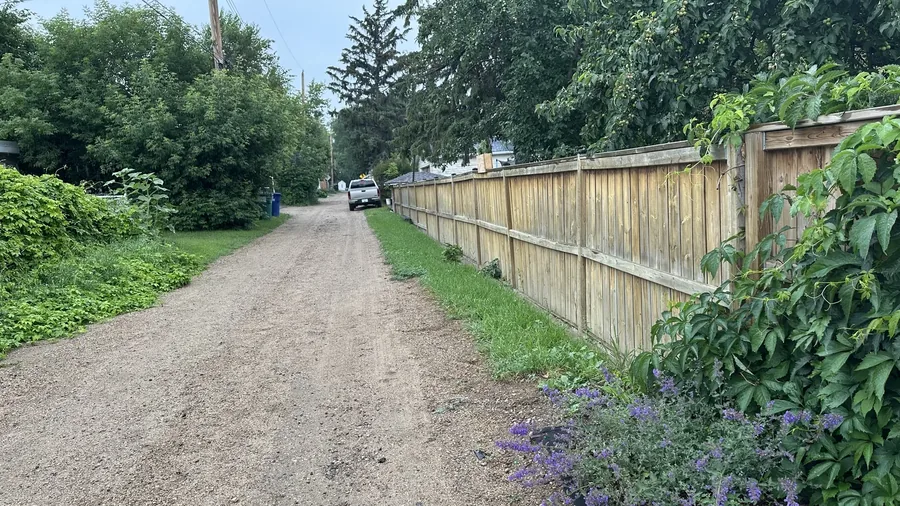
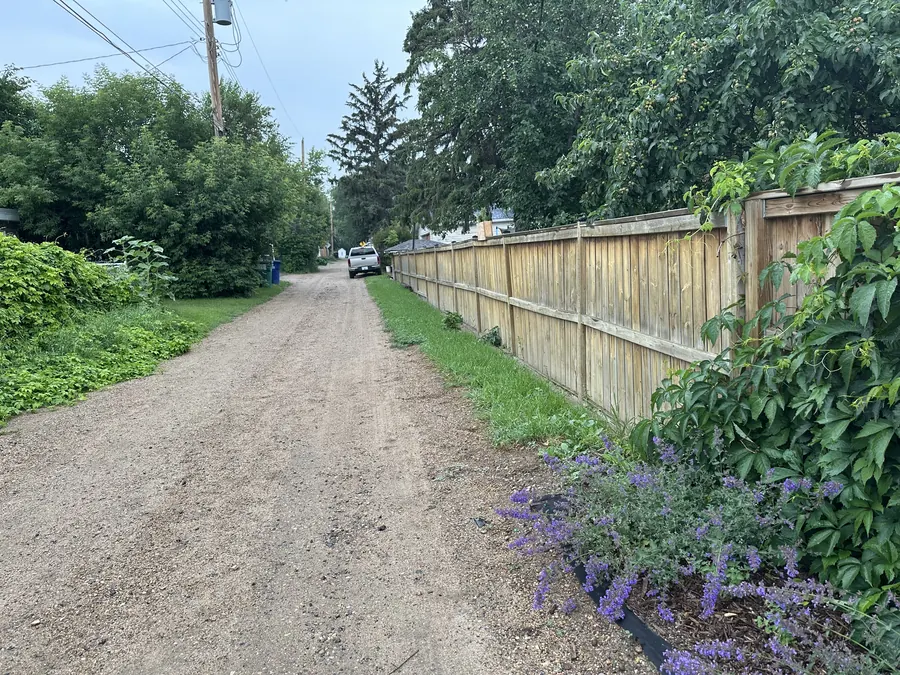
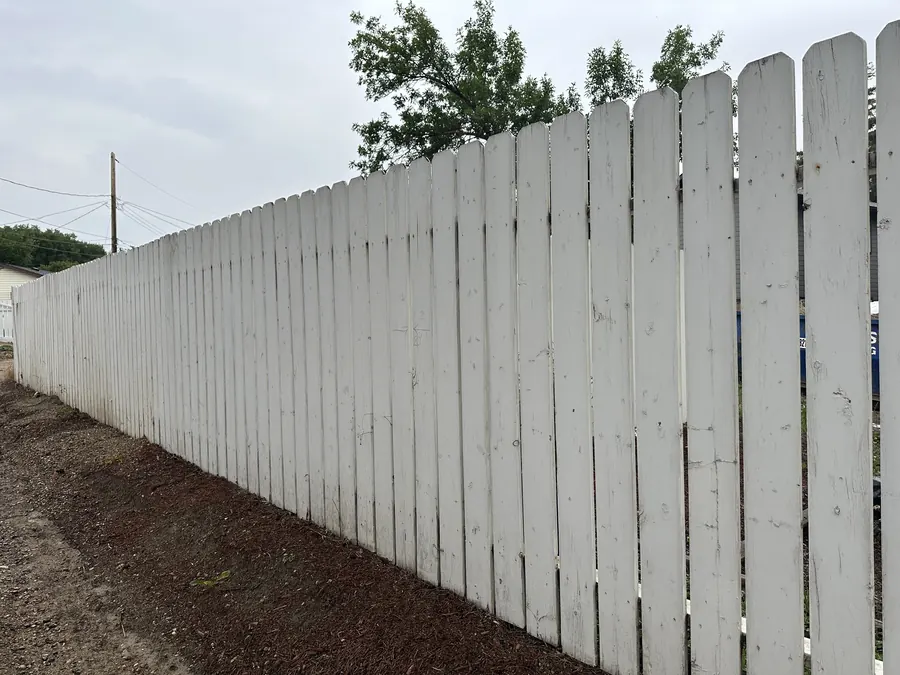
Fence Project and Condition Photos
These real images show different fence systems and site conditions. They are not all presented as before-and-after repair photographs.
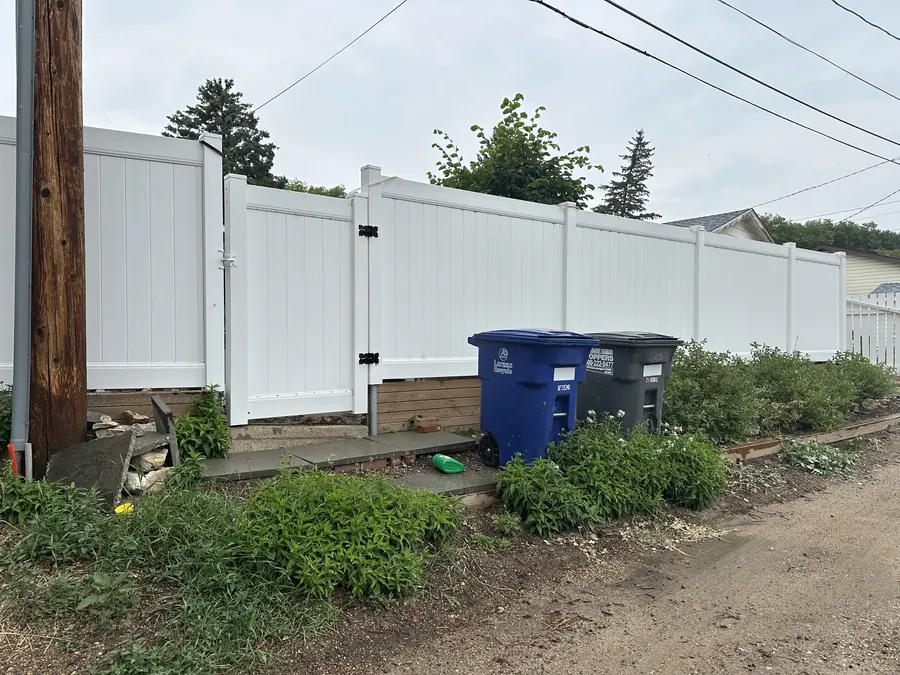
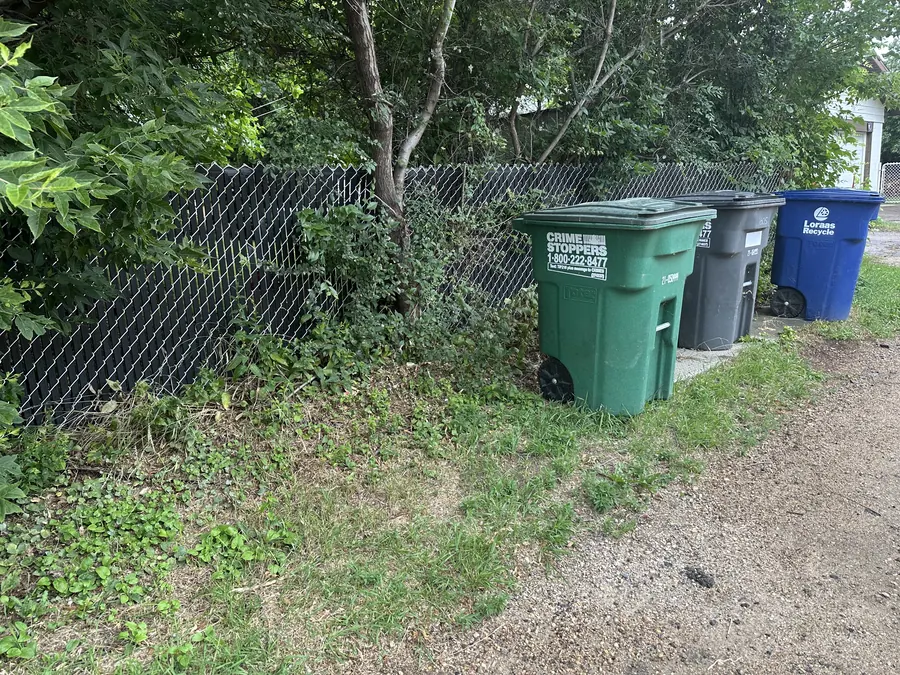
View additional outdoor construction work on the fence service page and in the project gallery.
Fence Repair FAQ
Can a leaning fence be repaired?
Sometimes. The posts, rails, fasteners, soil and extent of the movement should be assessed before confirming a repair.
When should a fence be repaired instead of replaced?
Repair may fit when damage is limited to a few posts, boards, rails or one gate and the remaining fence is suitable.
Can a sagging gate be repaired?
Many gates can be adjusted or rebuilt after checking the hinges, latch, frame and supporting posts.
What affects fence repair cost?
Posts, fence length, material, boards or panels, gate hardware, access, vegetation, disposal, finishing and replacement scope affect the quote.
Can only one fence section be replaced?
Often yes, when it can connect securely to suitable posts, rails and fence areas that will remain.
What should I send for a quote?
Send wide and close photos, dimensions, material, damaged-post count, gate details, access and the preferred repair or replacement scope.
Related Outdoor Services
Need Fence Repair in Saskatoon?
Send photos of the complete fence line and close views of the posts, rails, boards and gate. Include rough dimensions, material, access information and whether partial or full replacement should also be reviewed.