
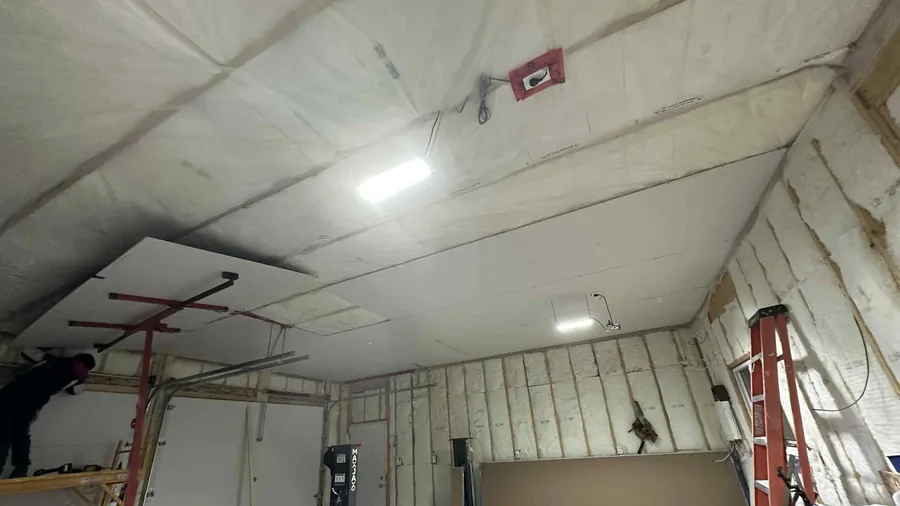
Drywall is the stage that turns visible framing into finished rooms, but the quality of the result depends on everything that happens before and after the sheets are installed.
Framing condition, insulation, vapour barrier, mechanical work, board layout, fasteners, corners, compound coats, drying, sanding, primer and paint all affect the final surface.
The Canadian Yard provides drywall installation and finishing in Saskatoon for garages, basements, residential interiors, commercial spaces and selected repair projects.
Before Board Installation
Framing, insulation, vapour barrier, wiring and plumbing should be reviewed before surfaces are closed.
Finishing Takes Time
Compound coats need suitable drying time, so finishing usually requires several stages and visits.
Scope Controls Price
Ceiling height, corners, access, board condition, finish level, materials and repairs all affect the estimate.
1. What a Complete Drywall Project Can Include
The word “drywall” is often used for several separate stages. A complete project may include:
- Insulation installation
- Vapour-barrier preparation and installation
- Drywall board hanging on walls and ceilings
- Corner bead and trim installation
- Taping, mudding and fastener filling
- Sanding and paint-ready preparation
- Repairs or replacement of damaged sections
- Primer and painting coordination
A written estimate should clearly identify which stages are included and whether labour, materials, delivery, protection and cleanup are part of the price.
2. What Should Be Ready Before Drywall Starts?
Installing board before the space is ready can create rework and unnecessary openings later.
Building Preparation
- Framing is complete and suitable for board attachment
- Required backing is installed
- Openings and bulkheads are finalized
- The work area is dry and accessible
- Temporary moisture sources are controlled
Services and Insulation
- Electrical and plumbing rough-ins are complete
- Heating and ventilation details are reviewed
- Insulation requirements are confirmed
- Vapour-barrier scope is confirmed
- Required inspections or approvals are complete
3. Drywall Board Installation
Board installation includes handling the sheets, planning joints, making openings and fastening the board to framing. Clean board layout can reduce unnecessary seams and finishing work.
Plan the Layout
Review board direction, seams, corners, openings, ceilings and the order of installation.
Stage and Handle Board
Place materials where they can be handled safely without unnecessarily damaging the sheets or finished areas.
Cut and Fasten
Fit sheets around walls, ceilings, windows, doors and service openings using the approved fastening pattern.
Review Before Finishing
Check fasteners, edges, gaps, unsupported areas and corner details before taping begins.
4. Taping, Mudding, Sanding and Paint Preparation
Finishing creates the continuous surface that becomes visible after primer and paint. The process normally includes several stages:
- Install tape at approved joints and corners
- Apply the first compound coat and fill fasteners
- Allow suitable drying time
- Apply wider finishing coats as required
- Remove high points and sand the surface
- Complete final touch-ups and paint-ready preparation
Garage utility finishing, standard residential paint-ready work and higher-detail surfaces do not require the same amount of labour. The requested finish should be confirmed before work starts.
5. How Long Does Drywall Work Take?
Board installation can move quickly on an open, prepared site. Finishing takes longer because compound must dry between stages.
The schedule depends on:
- Total wall and ceiling area
- Number of rooms, corners, bulkheads and openings
- Ceiling height and access
- Existing repairs or board corrections
- Temperature, airflow and humidity
- Finish level and sanding requirements
- Whether painting is included
Some finishing stages are completed quickly, followed by drying time before the next coat can be applied.
6. Common Drywall Projects in Saskatoon
Basements
Walls, ceilings, bulkheads, mechanical areas, stairways, insulation and vapour-barrier coordination.
Garages
Insulation, ceiling board, wall board and finishing around doors, tracks, equipment and service areas.
Interior Renovations
New partitions, closed openings, relocated doors, repaired walls and paint-ready room upgrades.
Commercial Interiors
Metal-stud walls, board installation, insulation and finishing based on the approved project scope.
7. Drywall Repairs: Patch or Replace?
Small stable damage may be patched. Larger openings, damaged joints, soft board, moisture-affected material or unsupported edges may require a replacement section.
A Patch May Fit When
- Damage is small and clearly defined
- Surrounding board remains firm
- The cause is resolved
- Backing and edges are suitable
Replacement May Fit When
- The board is soft, swollen or badly broken
- Damage extends beyond the visible mark
- A large access opening must be closed
- Edges or backing are unsuitable for a small patch
Read the drywall repair guide for more information about holes, cracks, ceilings and moisture-related damage.
8. What Affects Drywall Cost?
Drywall pricing should be based on the full wall and ceiling surface, project conditions and services included—not only the room’s floor area.
- Total board or finish area
- Wall versus ceiling installation
- Ceiling height and stairwell access
- Number of corners, openings and bulkheads
- Existing board or framing corrections
- Garage, residential or commercial finish expectations
- Materials, delivery, protection and disposal
- Painting and connected renovation work
See the Saskatoon drywall cost guide for current starting labour rates and example calculations.
9. How Homeowners Can Prepare the Work Area
- Remove furniture and stored items from the work zone
- Protect or relocate electronics and sensitive belongings
- Keep pets and children away from tools, ladders and cords
- Provide clear access for board and materials
- Confirm nearby parking or loading arrangements
- Identify occupied rooms that require extra dust protection
- Confirm water, power and washroom access when required
- Discuss disposal and cleanup expectations
10. Saskatoon Conditions, Drying and Seasonal Movement
Drywall compound drying is affected by temperature, airflow and humidity. Cold, damp or poorly ventilated spaces can extend the schedule, while very rapid surface drying can also affect how a coat is worked.
Seasonal movement may appear as hairline cracks or joint changes. Cracks should be assessed rather than automatically covered, especially when movement is continuing or moisture is present.
Maintaining reasonable indoor conditions and using suitable primer and paint can support the final finish, but coatings cannot correct an unstable joint, active leak or continuing structural movement.
Real Saskatoon Drywall Project Photos
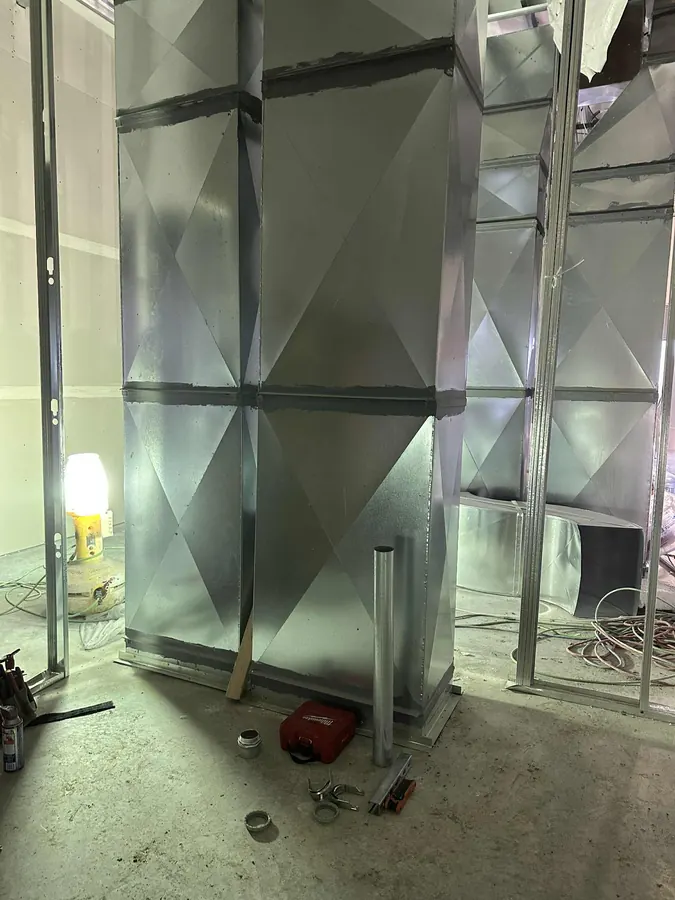
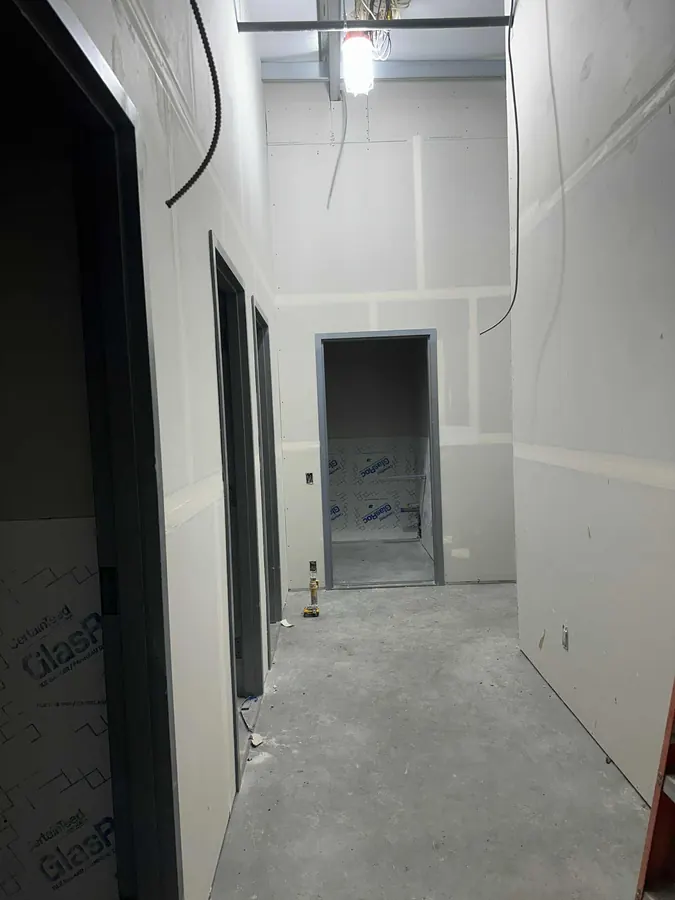
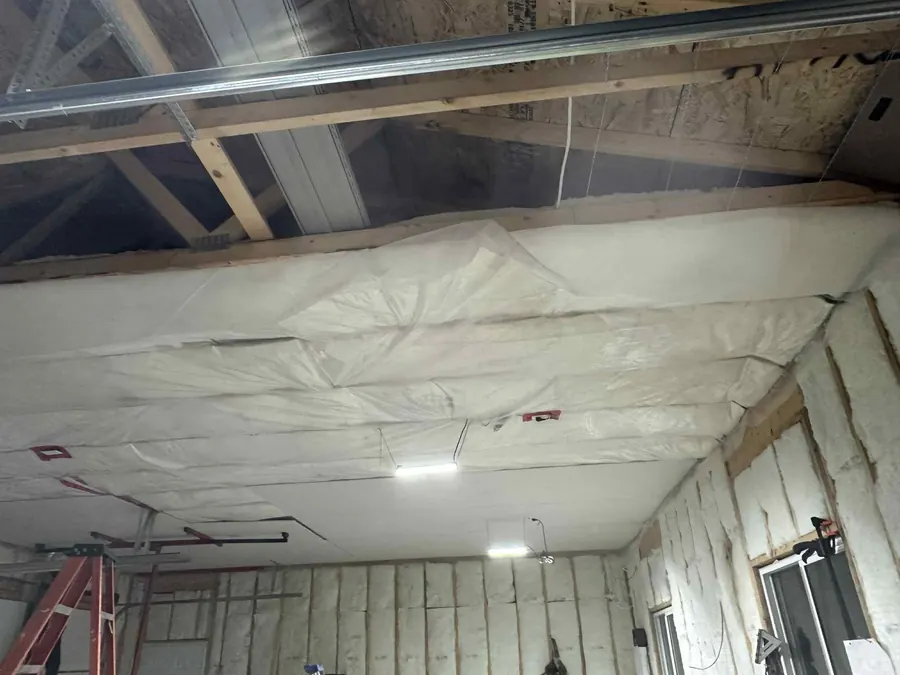
These photographs show real commercial board installation, drywall finishing and garage ceiling preparation.
11. What to Send for a Drywall Estimate
- Property location and preferred timeframe
- Room dimensions and ceiling height
- Photos of each wall and ceiling
- Garage, basement, residential or commercial project type
- Framing, insulation and vapour-barrier status
- Whether board is already installed
- Existing damage, gaps or board corrections
- Required services and finish expectations
- Whether materials and painting should be included
- Access, occupied-space and cleanup details
Drywall FAQ for Saskatoon Homeowners
How long does drywall installation and finishing take?
It depends on area, ceilings, complexity, drying conditions and finish level. Finishing normally requires several stages because compound must dry between coats.
What is included in drywall finishing?
The scope may include taping, corner treatment, filling fasteners, compound coats, sanding and preparation for primer and paint.
Should damaged drywall be patched or replaced?
Small stable damage may be patched. Larger, soft, moisture-affected or unsupported areas may need replacement.
Are materials included in the quote?
Only when the written estimate states that they are supplied. Confirm board, fasteners, tape, compound, corner bead, insulation, vapour barrier, delivery and disposal.
Can I remain in the house during drywall work?
Often yes, but expect noise and fine sanding dust. Clear the work area and keep pets and children away from the work zone.
What should I send for an estimate?
Send measurements, ceiling height, photos, project type, framing or board condition, required services and the finish expected.
Related Drywall Guides & Services
Planning Drywall Work in Saskatoon?
Send measurements, ceiling height, photos and a list of the required stages. Mention framing, insulation, vapour barrier, hanging, finishing, repairs and whether materials or painting should be included.